Pittsburgh winters don't mess around. Between the lake-effect snow, relentless freeze-thaw cycles, and weeks of grey skies that refuse to quit, your roof takes a beating that most generic home improvement advice completely ignores. What works for a homeowner in Atlanta or Phoenix simply doesn't apply here — and if you're waiting until spring to deal with roofing issues, you're already behind.
Here are the five most common roofing problems Pittsburgh homeowners face every winter, what causes them in our specific climate, and what you should do before the spring storm season rolls in.
1. Ice Dams Along Your Eaves
What They Are
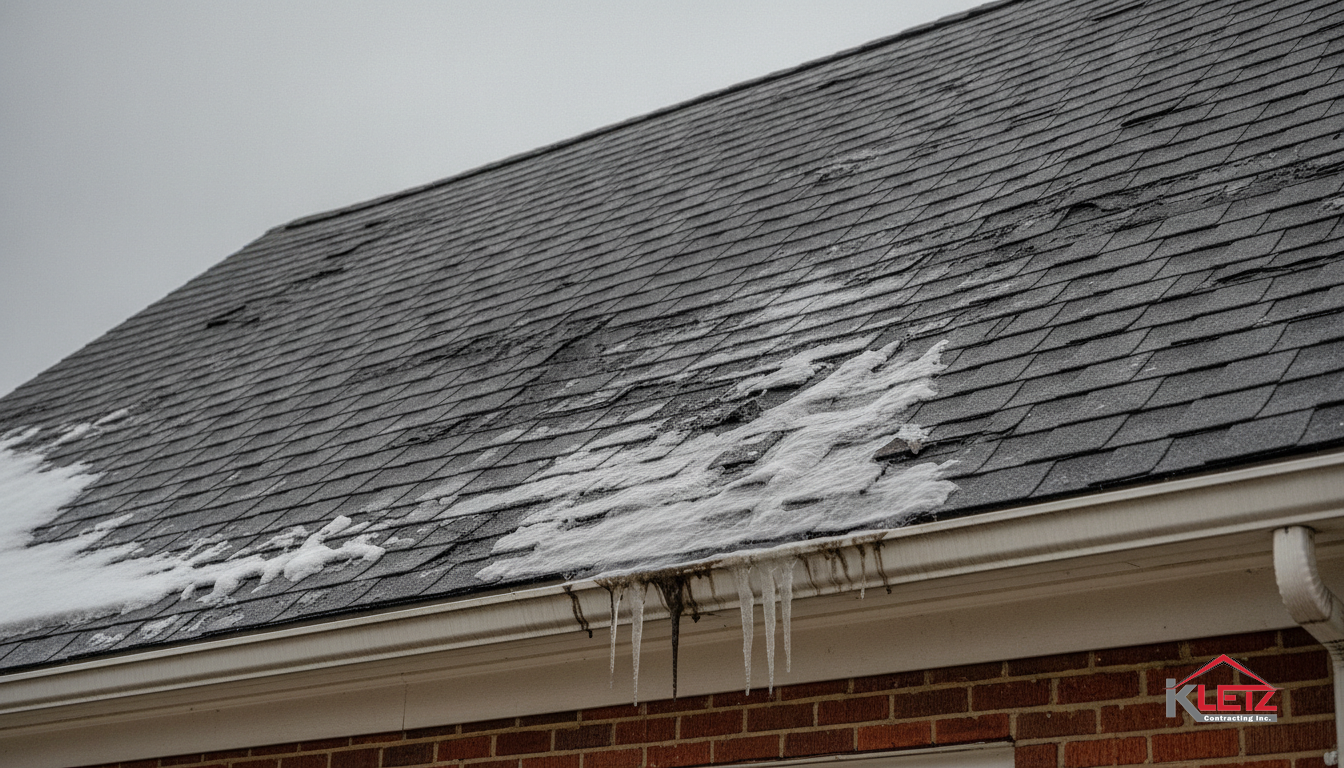
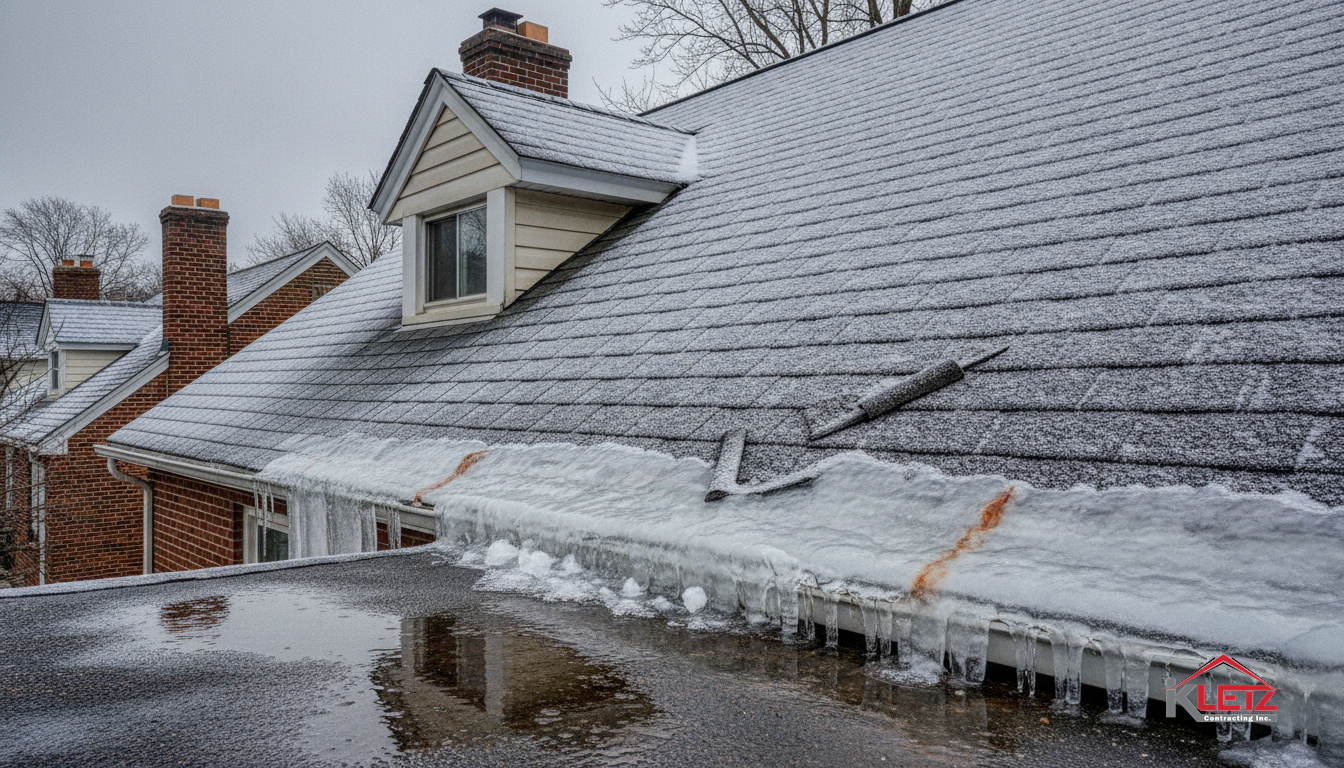
Ice dams are one of the most destructive winter roofing problems unique to colder climates like ours. They form when heat escapes from your living space through the attic, warms the roof deck, and melts snow near the ridge. That meltwater runs down toward the cold eaves — and refreezes, forming a wall of ice that traps more water behind it.
Why Pittsburgh Is Especially Vulnerable
Our combination of heavy snowfall, fluctuating temperatures (it can be 40°F one day and 18°F the next), and older housing stock with aging attic insulation makes the Pittsburgh area a prime breeding ground for ice dams. Row houses and older Cape Cods with limited attic space are especially at risk.
What to Do
- Don't wait. Water backing up behind an ice dam can seep under shingles and cause interior water damage, rotted decking, and ceiling stains.
- Use a roof rake to remove snow from lower sections of the roof after heavy storms.
- Long-term fix: Improve attic insulation and ventilation. A properly insulated attic stays cold enough that snow melts evenly — or not at all.
- Call a professional if you notice icicles, water staining on interior ceilings, or visible ice buildup at your roofline.
2. Shingle Cracking and Brittleness from Freeze-Thaw Cycles
What Happens
Asphalt shingles are designed to flex slightly. But when temperatures swing repeatedly between freezing and thawing — which happens constantly here from November through March — that flexibility gets pushed to its limit. Shingles crack, curl, and lose their protective granules faster than they would in a more stable climate.
The Pittsburgh Difference
National weather averages don't tell the real story. In the Greater Pittsburgh area, it's not uncommon to experience five or more freeze-thaw cycles in a single week. That's five rounds of expansion and contraction for every shingle on your roof. Older shingles that have already lost some flexibility are especially prone to cracking under these conditions.
What to Do
- Inspect your gutters for an unusual amount of granules — this is a sign your shingles are degrading faster than expected.
- Look for visible cracks or curling edges after a cold snap.
- Don't attempt winter shingle replacement yourself — adhesives don't seal properly in cold temperatures and you risk making things worse.
- Have a qualified contractor assess the damage so you have a plan ready to execute as soon as temperatures allow.
3. Flashing Separation and Leaks Around Penetrations
What's at Stake
Flashing is the metal material that seals the joints around chimneys, skylights, vents, and roof valleys. It's one of the most leak-prone areas on any roof — and winter makes it significantly worse.
How Cold Weather Causes Flashing Failures
Metal expands in heat and contracts in cold. Over time, that movement breaks down the sealant that holds flashing in place. Add ice and snow pressing against those seams, and you've got a recipe for water intrusion that can go undetected for weeks — quietly rotting out your decking, rafters, and insulation.
What to Do
- Check your attic after a heavy snow or thaw for any signs of moisture, dripping, or staining on the underside of the decking.
- Look at your chimney and skylight flashing from the ground with binoculars — visible gaps, rust, or lifted edges are warning signs.
- Temporary caulk can buy you time but isn't a permanent fix. Flashing that has failed needs proper re-sealing or replacement by a professional.
4. Gutter Damage and Fascia Deterioration
The Connection to Your Roof
Most homeowners don't think of gutters as a roofing issue — until the damage shows up on their roof. When gutters get clogged with fall leaves and then fill with ice, they become extremely heavy. That weight pulls gutters away from the fascia board, and in some cases, tears off sections of the drip edge or damages the lower course of shingles.
What Pittsburgh Winters Do
Our wet falls mean gutters often go into winter already packed with debris. Once temperatures drop, that debris and standing water freezes solid. Homeowners in Allegheny, Beaver, Butler, and Washington counties know this cycle all too well.
What to Do
- Clear gutters before the first hard freeze — this is the most impactful preventative step you can take.
- Check for sagging or separated gutters after major ice events.
- Inspect fascia boards for soft spots or rot, which often go hand-in-hand with chronic gutter overflow.
- Consider gutter guards to reduce buildup going into next fall.
5. Attic Condensation and Hidden Moisture Damage
The Silent Problem
This one catches Pittsburgh homeowners off guard more than almost any other issue. Attic condensation happens when warm, moist air from inside your home rises into a cold, poorly ventilated attic. That moisture condenses on the cold roof decking — and over a long winter, it can cause mold growth, wood rot, and insulation damage without a single visible leak.
Why It's Common Here
Older Pittsburgh homes — particularly in neighborhoods like Carnegie, Bridgeville, Coraopolis, and Moon Township — were built before modern ventilation standards. Many have inadequate ridge venting, blocked soffit vents, or no vapor barriers at all. Combine that with the long, cold winters we get, and you've got ideal conditions for hidden moisture damage to accumulate.
What to Do
- Look in your attic on a cold day. Frost on the underside of the decking, dark staining on rafters, or a musty smell are all red flags.
- Check that soffit vents aren't blocked by insulation — this is a common DIY insulation mistake.
- A proper ventilation assessment by a roofing contractor can identify whether your attic is set up to handle Pittsburgh winters effectively.
Don't Let Winter Damage Become a Spring Emergency
The freeze-thaw cycles and heavy moisture that define Pittsburgh winters are unlike anything most national roofing guides account for. The problems above don't just appear in spring — they develop quietly all winter long, compounding with each cold snap and thaw. By the time you notice a water stain on your ceiling or a sagging soffit, weeks or months of damage may have already occurred.
The smart move is to get a professional inspection now, before spring storms add insult to injury.
Kletz Contracting has been serving Robinson Township and the greater Pittsburgh area — including Allegheny, Beaver, Butler, and Washington Counties — through exactly these conditions. We know what Pittsburgh winters do to roofs, and we know how to fix it.
Contact Kletz Contracting today to schedule your winter roof assessment and get ahead of the damage before spring arrives.