Planning a home improvement project is exciting — until the first surprise cost shows up and blows your budget wide open. For homeowners in the Pittsburgh area, that risk is even higher than national averages suggest. Older brick row houses, century-old foundations, and Western PA's brutal freeze-thaw weather cycles create a unique set of challenges that generic budgeting advice simply doesn't account for.
Whether you're replacing a roof in Robinson Township, adding siding to a Bethel Park colonial, or planning a full addition on a Beaver County property, this guide will help you plan smarter, spend less, and avoid the surprises that catch too many homeowners off guard.
Why Pittsburgh Homes Are Different (And Why It Matters for Your Budget)
Before you look up a national cost calculator or pull a ballpark figure from a home improvement website, understand this: Pittsburgh homes are not average homes.
Here's what sets Western PA properties apart:
- Aging housing stock. A large percentage of homes in Allegheny, Beaver, Butler, and Washington Counties were built before 1960. That means older framing, outdated insulation, and infrastructure that may not meet current code.
- Brick construction. Many Pittsburgh-area row houses and older single-family homes are fully or partially brick. Brick looks great, but it complicates everything from siding installation to adding new windows or doors.
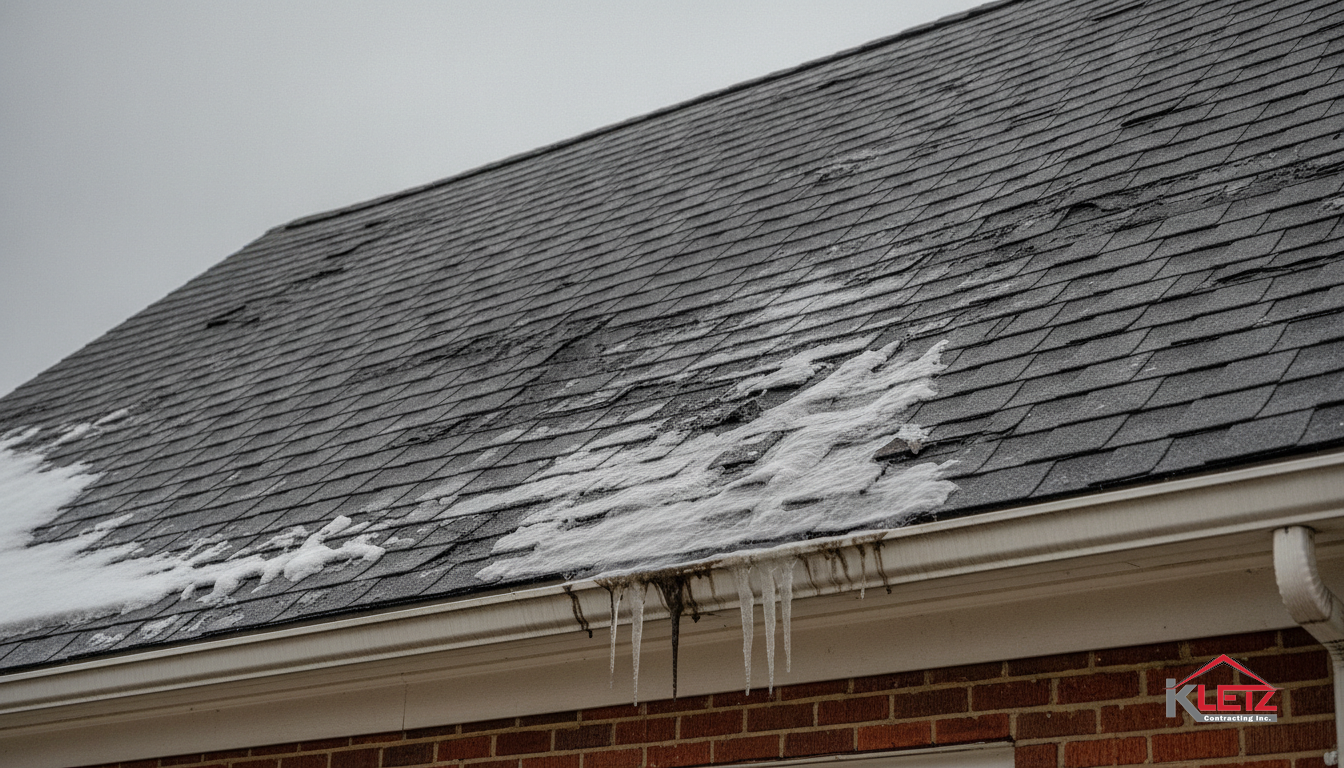
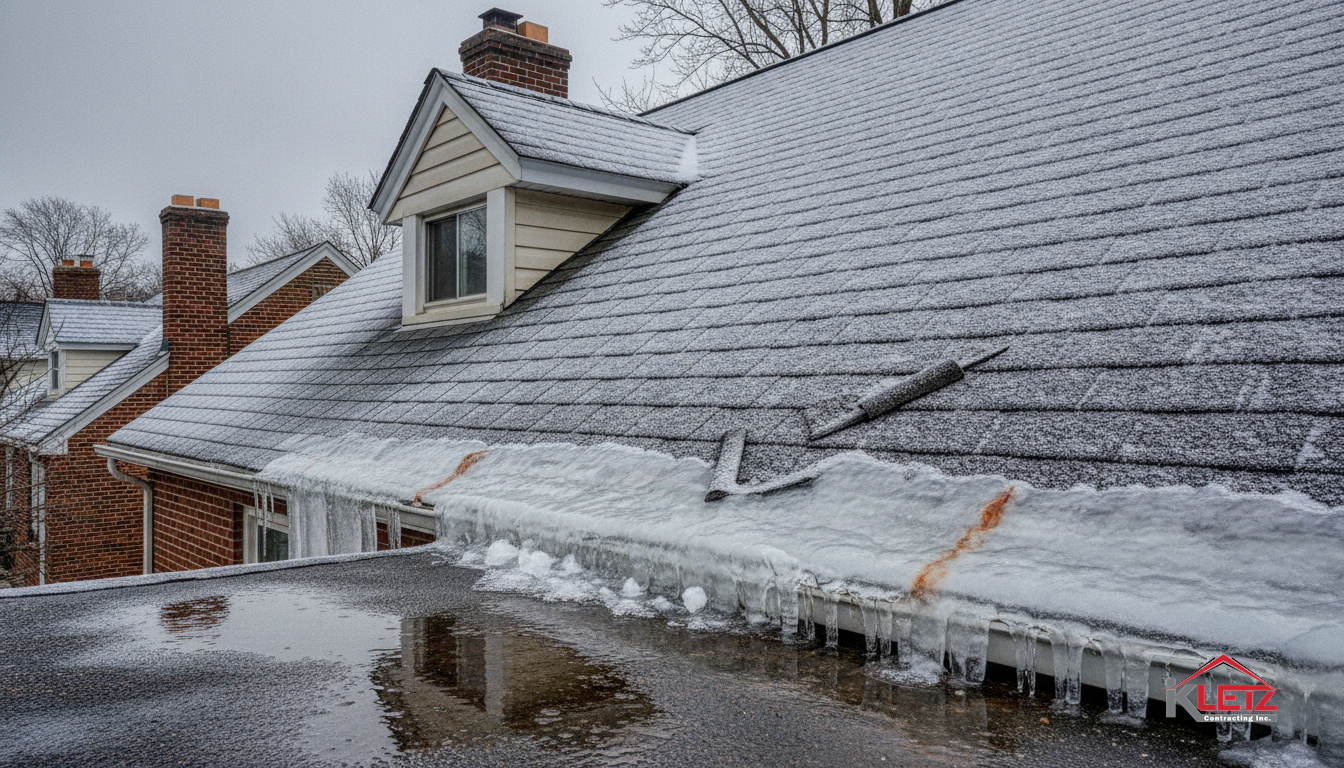
- Freeze-thaw cycles. Pittsburgh winters are hard on roofing, flashing, and foundations. What looks like a simple shingle replacement can reveal rotted decking underneath — decking that failed because ice dams were never properly addressed.
- Hilly terrain. Pittsburgh's topography affects drainage, foundation stability, and even how crews can access your home. These logistics add time — and cost.
When you work with a contractor who knows Western PA, you get estimates that reflect reality, not a national average that ignores your actual conditions.
Step 1: Define the Scope Before You Call Anyone
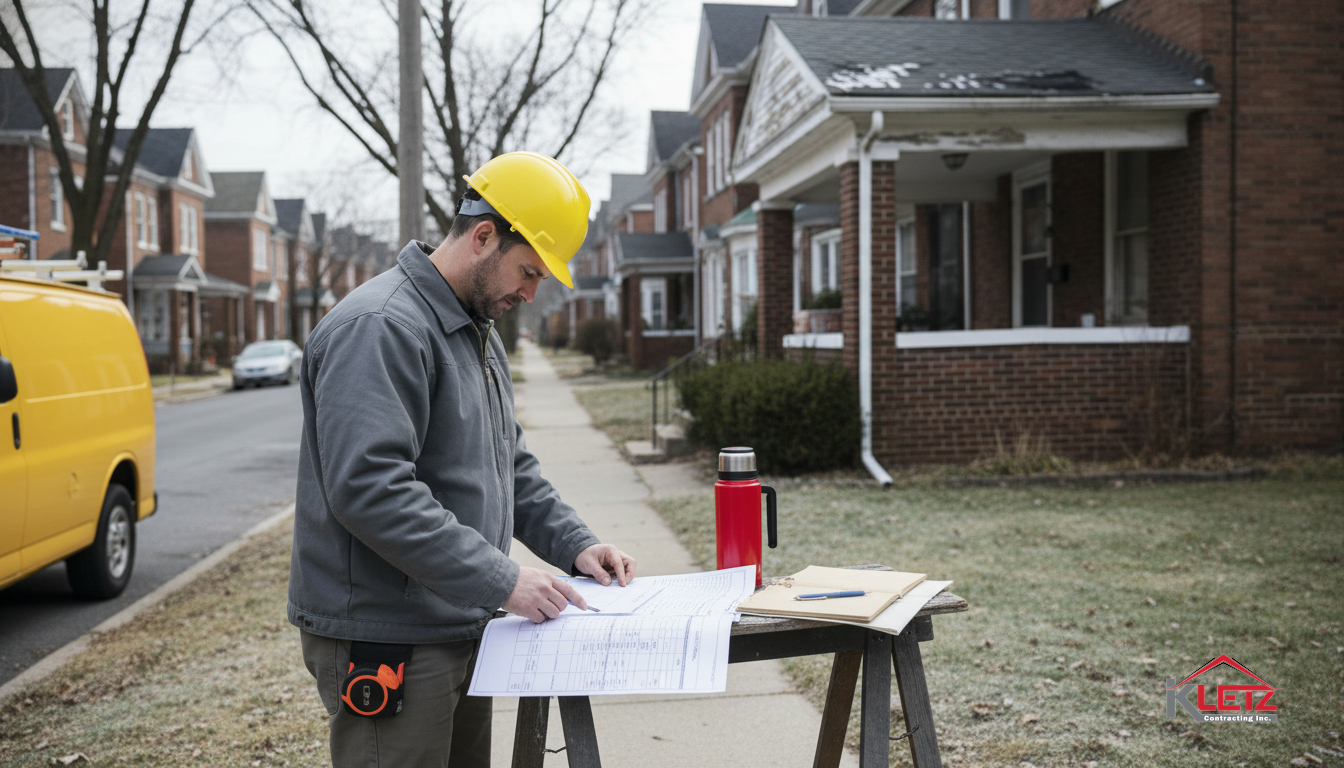
The most common budgeting mistake homeowners make is calling contractors before they've clearly defined what they want. Vague requests lead to vague quotes — and vague quotes lead to scope creep and sticker shock.
Before you reach out to anyone, write down:
- What problem are you solving? (Leaking roof, drafty walls, lack of space)
- What outcome do you want? (New shingles, insulated siding, a finished addition)
- What's your timeline? (Emergency repair vs. planned project next spring)
- What's your hard budget limit? (The number you absolutely cannot exceed)
Having clear answers to these questions helps contractors give you accurate quotes and prevents the project from expanding mid-job.
Step 2: Understand What's Actually Driving the Cost
For Pittsburgh-area projects, costs are driven by factors that often don't show up in the initial quote:
Roofing Projects
- Decking condition. Ice and moisture damage to the roof deck is common in older Pittsburgh homes. Expect your contractor to identify rotted sections once old shingles are removed.
- Flashing around chimneys and dormers. Pittsburgh row houses often have complex rooflines. Old flashing is a major source of leaks and almost always needs replacement.
- Multiple layers of shingles. Older homes sometimes have two or three layers of shingles. Tear-off labor and disposal costs add up — which is exactly where a dumpster rental makes cleanup efficient and affordable.
Siding Projects
- What's underneath. Installing new vinyl or fiber cement over old wood siding can reveal water damage, missing insulation, or structural issues that must be addressed before new siding goes on.
- Window and door trim integration. New siding changes how your windows and doors interface with the exterior. Factor in trim work and potential re-caulking.
Additions and Remodels
- Permit costs. Allegheny County and surrounding municipalities have their own permitting requirements. Budget for this and build in timeline for approval.
- Utility tie-ins. Connecting an addition to existing electrical, HVAC, and plumbing in an older home is rarely straightforward.
Step 3: Get Estimates the Right Way
Not all estimates are created equal. Here's how to use the estimate process to protect your budget:
Get at least three quotes. This gives you a realistic price range and helps you identify outliers — both suspiciously low and inflated bids.
Ask what's NOT included. Always ask contractors to walk you through exclusions. This is where hidden costs live.
Request itemized breakdowns. A single lump-sum quote tells you nothing. Ask for labor, materials, disposal, and contingency to be broken out separately.
Ask about contingency. A trustworthy contractor will build in a contingency buffer for older homes — typically 10–20% — because surprises are almost guaranteed in Western PA housing stock.
Step 4: Sequence Your Projects for Maximum Value
If you're planning multiple improvements, order matters. The right sequence protects your investment and prevents you from paying twice.
Always address structural and moisture issues first. There's no point in finishing a basement if you have a failing roof. Fix the roof before any interior work.
Exterior before interior. New siding and roofing create a weathertight envelope. Interior remodeling inside a leaky house is money wasted.
Mechanicals before finishes. If you're remodeling a kitchen or bathroom, update plumbing and electrical before drywall goes up. Doing it afterward is expensive.
A smart sequence for many Pittsburgh homeowners looks like:
- Roof replacement or repair
- Siding and exterior moisture barrier
- Window replacements
- Interior remodeling
- Additions and expansions
Step 5: Don't Forget Waste Removal
Demolition and material disposal is one of the most consistently underestimated costs in home improvement projects. Tearing off old shingles, ripping out old siding, or gutting a room generates a significant volume of debris — and hauling it yourself is usually impractical.
Building a dumpster rental into your project budget from the start keeps your job site clean, speeds up the work, and saves you from expensive last-minute waste hauling calls. For most Pittsburgh-area projects, having the right dumpster size on-site for the duration of the job is one of the easiest ways to keep a project on schedule and on budget.
Your Pre-Project Planning Checklist
Before you call a contractor, run through this checklist:
- [ ] Written scope of work (what problem, what outcome)
- [ ] Hard budget number established
- [ ] Timeline defined (emergency, seasonal, or flexible)
- [ ] Three contractor quotes requested
- [ ] Itemized breakdowns requested from each contractor
- [ ] Contingency budget set aside (10–20% for older homes)
- [ ] Permit requirements researched for your municipality
- [ ] Project sequence mapped (exterior before interior, structure before finishes)
- [ ] Dumpster rental factored into budget and timeline
- [ ] References checked for any contractor you're considering
Work With a Contractor Who Knows Pittsburgh
The difference between a project that stays on budget and one that spirals out of control often comes down to one thing: whether your contractor truly understands the homes they're working on.
At Kletz Contracting, we've been working on Western PA homes across Allegheny, Beaver, Butler, and Washington Counties long enough to know what to expect — and how to build that reality into honest estimates from day one. From roofing and siding to full remodels and dumpster rental, we're the local team that gives you straight answers, not ballpark guesses.
Ready to start planning? Contact Kletz Contracting for a free estimate and local expertise you can count on.