Why Pittsburgh's Climate Demands Special Siding Considerations
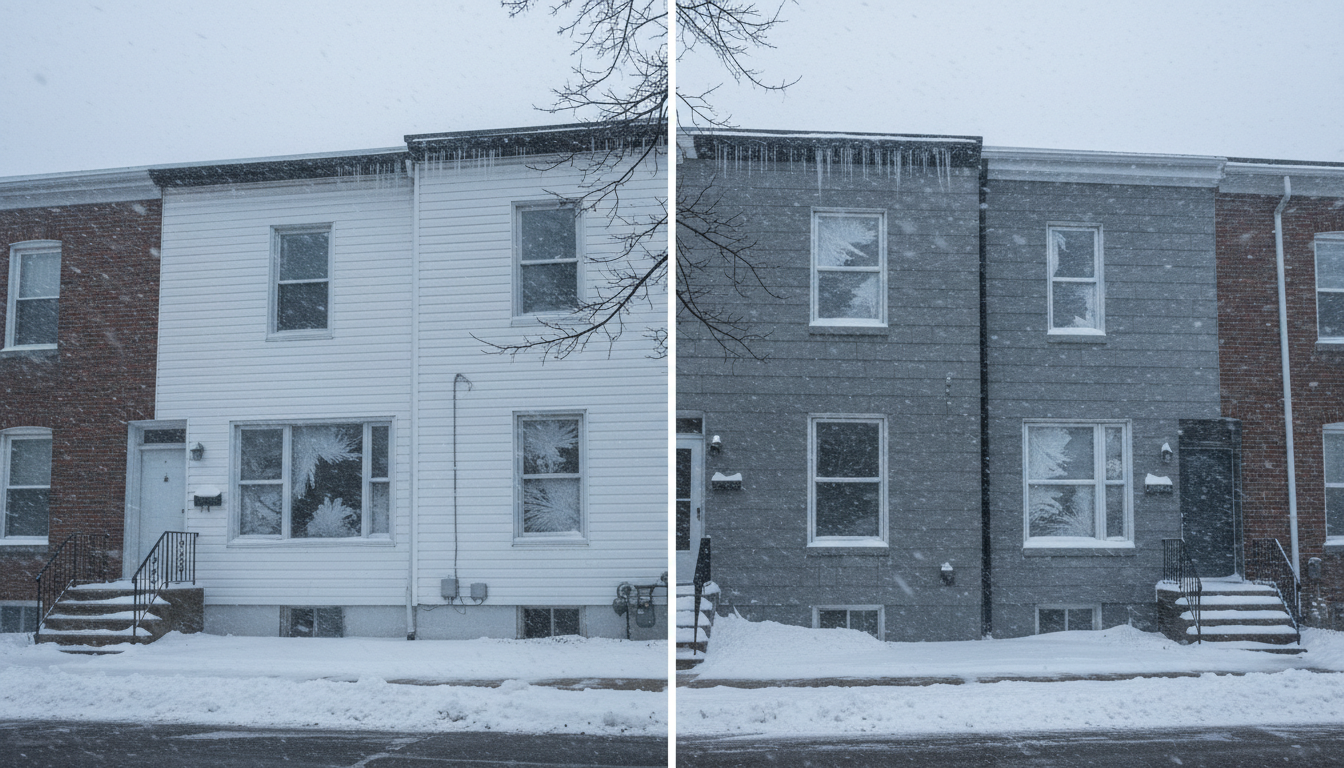
As contractors who've worked countless winters in Robinson Township and throughout Allegheny County, we've seen firsthand how Pittsburgh's brutal weather can make or break your home's exterior. Our city's unique combination of freeze-thaw cycles, heavy snow loads, and dramatic temperature swings creates one of the most challenging environments for siding materials in the country.
After installing and repairing thousands of square feet of siding across the Greater Pittsburgh area, we've learned that not all materials are created equal when it comes to surviving our harsh winters. Today, we're breaking down the two most popular choices: vinyl and fiber cement siding.
Understanding Pittsburgh's Winter Challenges
Before diving into material comparisons, let's examine what makes Pittsburgh winters so tough on home exteriors:
- Frequent freeze-thaw cycles: Our temperatures regularly fluctuate above and below freezing, causing materials to expand and contract repeatedly
- Heavy snow loads: Western Pennsylvania averages 41 inches of snow annually, creating significant weight and moisture exposure
- Temperature extremes: Winter lows can drop below 10°F, while summer highs reach the upper 80s
- High humidity: Our location near three rivers creates moisture-rich conditions year-round
Vinyl Siding: The Popular Choice
Performance in Pittsburgh Winters
Vinyl siding has dominated Pittsburgh neighborhoods for decades, and for good reason. In our experience across Butler, Beaver, and Washington Counties, quality vinyl siding consistently performs well in our climate.
Cold Weather Performance:
- Vinyl remains flexible in cold temperatures, reducing crack risk
- Thermal expansion and contraction is predictable and manageable
- Snow slides off easily due to smooth surface texture
- No paint to peel or fade from freeze-thaw damage
Pros of Vinyl Siding
- Cost-effective: Typically 20-30% less expensive than fiber cement
- Low maintenance: No painting required, easy cleaning with garden hose
- Quick installation: Reduces labor costs and project timeline
- Moisture resistant: Won't absorb water or support mold growth
- Variety of styles: Wide range of colors and textures available
Cons of Vinyl Siding
- Expansion and contraction: Can cause visible gaps at seams during extreme temperature changes
- Impact damage: Can crack or dent from hail or falling branches
- Fading: Lower-grade vinyl may fade over 15-20 years
- Limited repair options: Damaged sections often require full panel replacement
Fiber Cement Siding: The Premium Alternative
Performance in Pittsburgh Winters
Fiber cement siding has gained popularity in upscale Pittsburgh neighborhoods, particularly in areas like Sewickley and Fox Chapel. This composite material offers exceptional durability but requires more consideration for our climate.
Cold Weather Performance:
- Excellent thermal stability with minimal expansion/contraction
- Superior resistance to freeze-thaw damage when properly installed
- Heavy snow loads pose no structural concerns
- Maintains appearance integrity through multiple winter seasons
Pros of Fiber Cement Siding
- Exceptional durability: Can last 50+ years with proper maintenance
- Fire resistance: Non-combustible material provides superior safety
- Pest resistance: Termites and carpenter ants cannot damage it
- Paint retention: High-quality finishes last 15-25 years
- Authentic appearance: Mimics wood grain and stucco textures beautifully
- Increased home value: Premium material enhances resale value
Cons of Fiber Cement Siding
- Higher upfront cost: 30-50% more expensive than vinyl initially
- Professional installation required: Specialized tools and techniques necessary
- Maintenance needs: Requires repainting every 15-25 years
- Weight considerations: May require structural reinforcement on older homes
- Moisture sensitivity: Improper installation can lead to water damage
Head-to-Head Winter Performance Comparison
Freeze-Thaw Resistance
Winner: Fiber Cement
While both materials handle freeze-thaw cycles well, fiber cement's thermal stability gives it the edge. Vinyl's expansion and contraction can create small gaps over time, while fiber cement maintains consistent dimensions.
Snow Load Handling
Winner: Tie
Both materials easily support typical Pittsburgh snow loads when properly installed. The key is ensuring adequate structural support behind the siding.
Moisture Management
Winner: Vinyl
Vinyl's non-porous surface naturally repels moisture, while fiber cement requires proper sealing and maintenance to prevent water absorption.
Long-term Appearance
Winner: Fiber Cement
Quality fiber cement maintains its appearance longer, especially in color retention and texture integrity through multiple winter cycles.
Installation Considerations for Pittsburgh Homes
Vinyl Installation Tips
- Allow proper expansion gaps (typically 1/4 inch)
- Use corrosion-resistant fasteners
- Install moisture barriers behind siding
- Ensure proper ventilation to prevent condensation
Fiber Cement Installation Requirements
- Professional installation essential for warranty coverage
- Require specialized cutting tools to prevent silica dust
- Proper flashing and sealing critical for moisture protection
- May need structural assessment for older Pittsburgh homes
Cost Analysis: Initial Investment vs. Long-Term Value
Vinyl Siding Costs
- Material: $3-8 per square foot
- Installation: $2-4 per square foot
- 20-year maintenance: Minimal (cleaning only)
Fiber Cement Siding Costs
- Material: $5-12 per square foot
- Installation: $4-8 per square foot
- 20-year maintenance: $2,000-4,000 (repainting)
Making the Right Choice for Your Pittsburgh Home
Choose Vinyl If:
- Budget is a primary concern
- You prefer minimal maintenance
- Your home experiences frequent temperature fluctuations
- You plan to move within 10-15 years
Choose Fiber Cement If:
- You're investing in long-term home value
- Authentic wood or stucco appearance is important
- Your neighborhood supports premium materials
- You don't mind periodic maintenance
Our Professional Recommendation
After decades of installations across Allegheny, Beaver, Butler, and Washington Counties, we've seen both materials perform admirably in Pittsburgh's challenging climate. Your choice should align with your budget, maintenance preferences, and long-term plans.
For most homeowners, quality vinyl siding offers excellent performance and value. However, if you're making a long-term investment in a premium home, fiber cement's superior durability and appearance retention justify the additional cost.
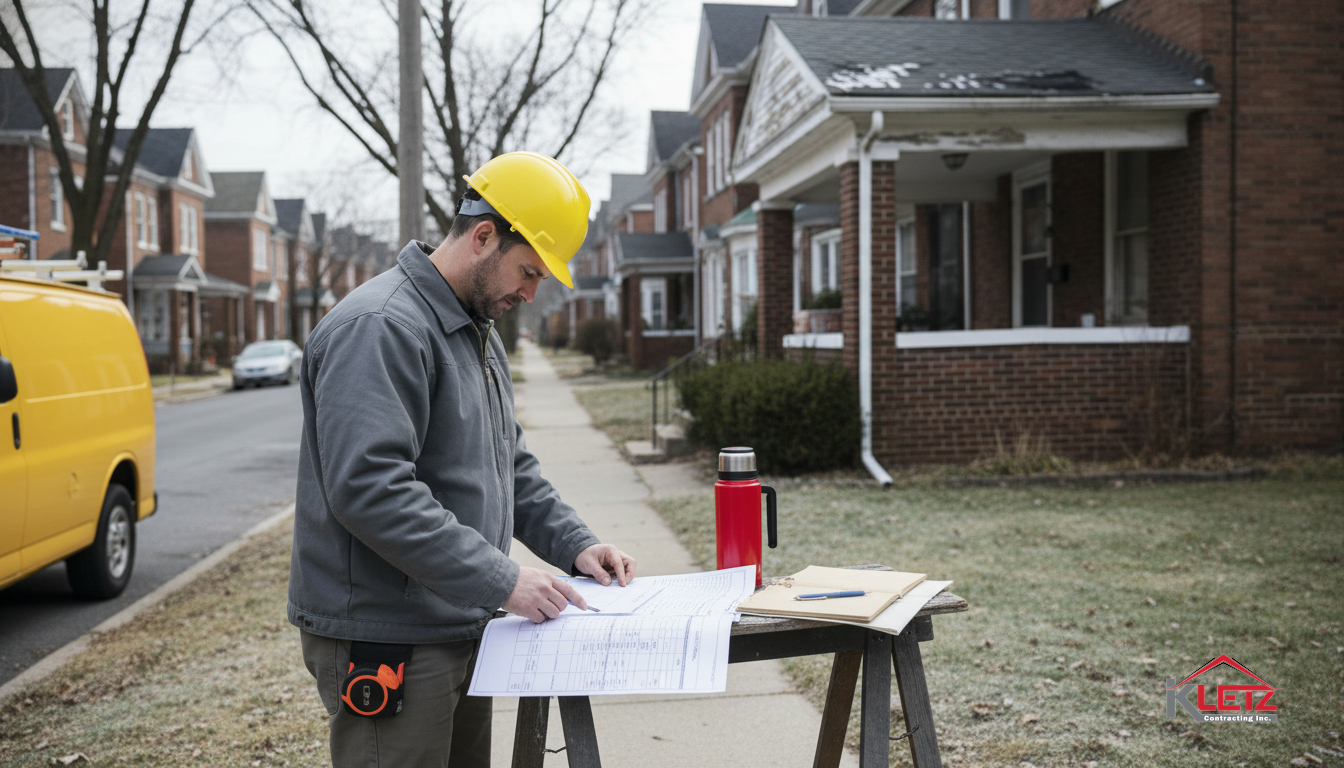
Need expert guidance for your specific situation? Contact Kletz Contracting for a free consultation. We'll assess your home, discuss your priorities, and recommend the best siding solution for Pittsburgh's unique climate challenges.